- Joined
- Feb 9, 2026
- Messages
- 30
Hello everyone! I have successfully completed the fitting and finalization of the Tight Skirt pattern, tailored for a standard size 88 (3XL) female figure. Since there were no issues with my initial design and the fit was solid, I concluded the Tight Skirt project after the second fitting. Now, I am excited to begin the Trapeze Skirt project. While I previously removed some images due to my own modest sewing skills, I’ve confirmed that the pattern itself is technically sound.
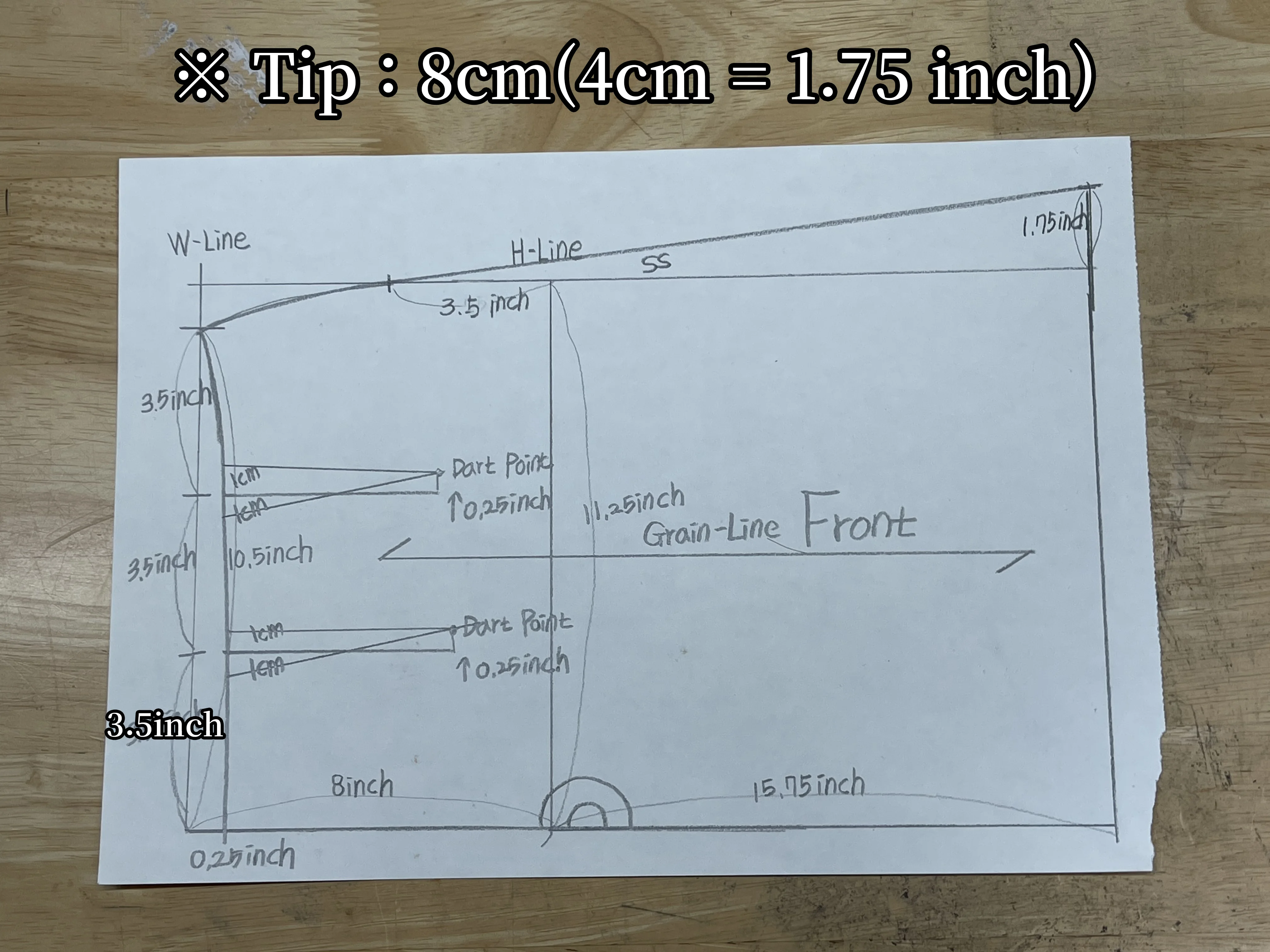
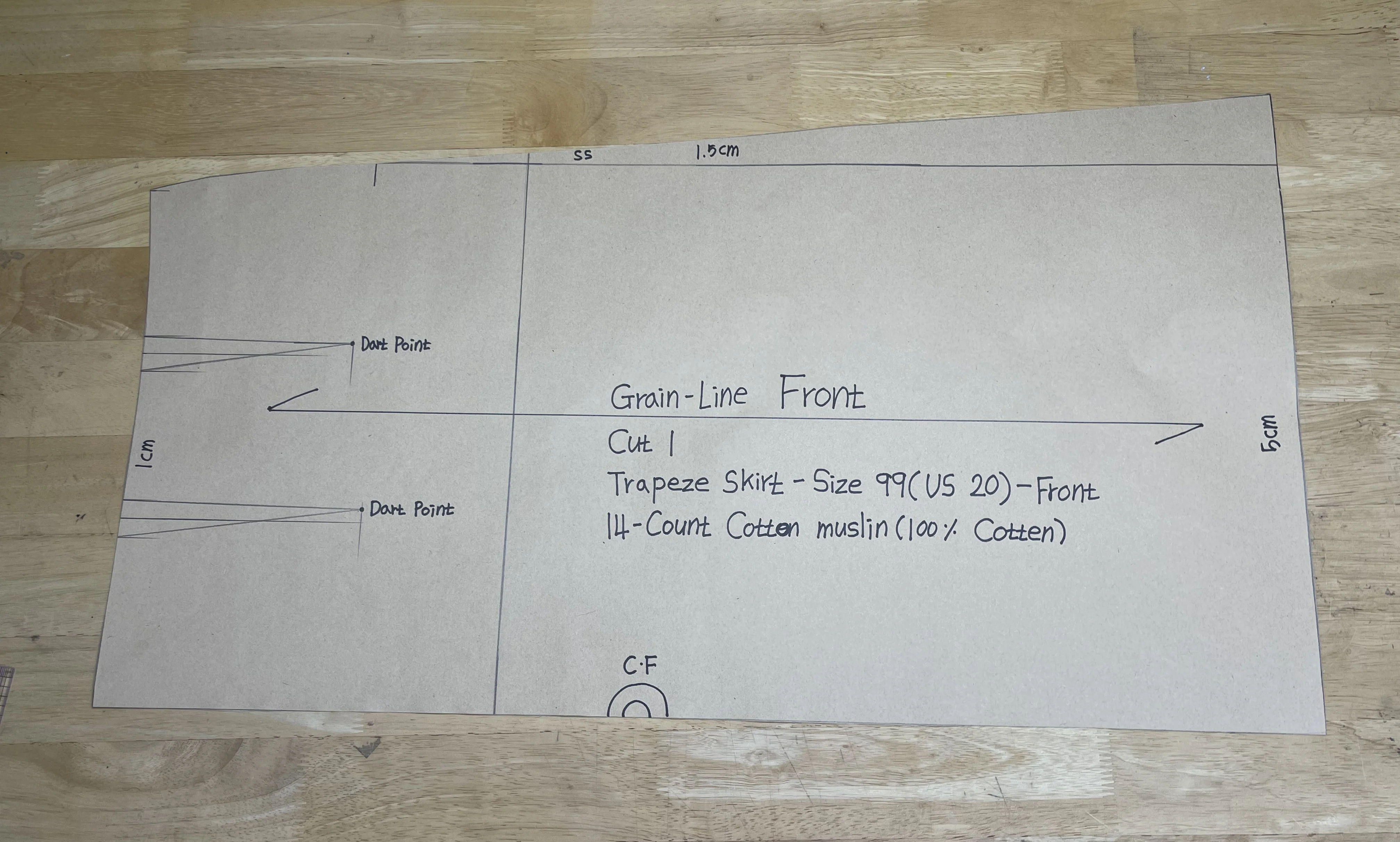
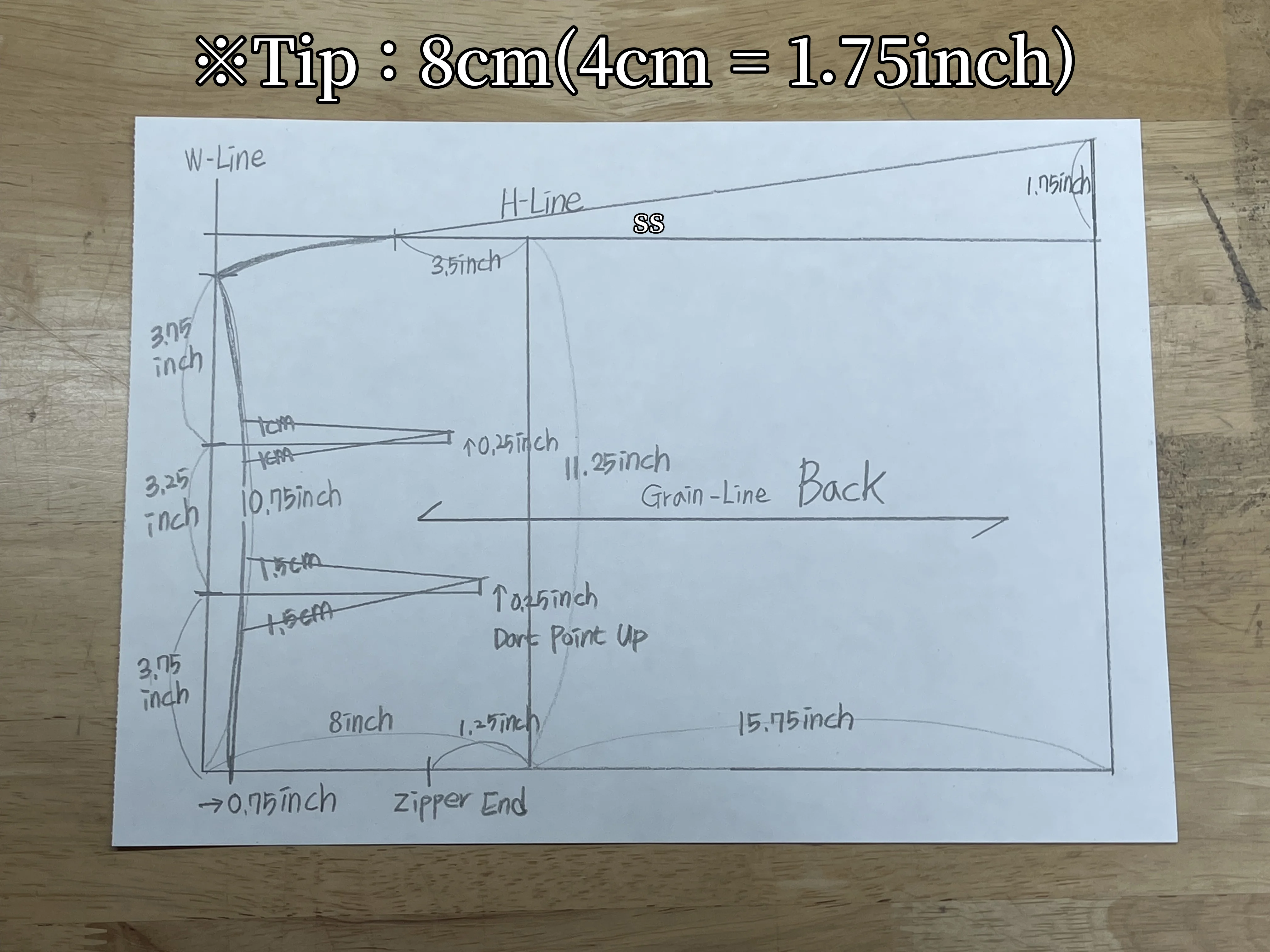
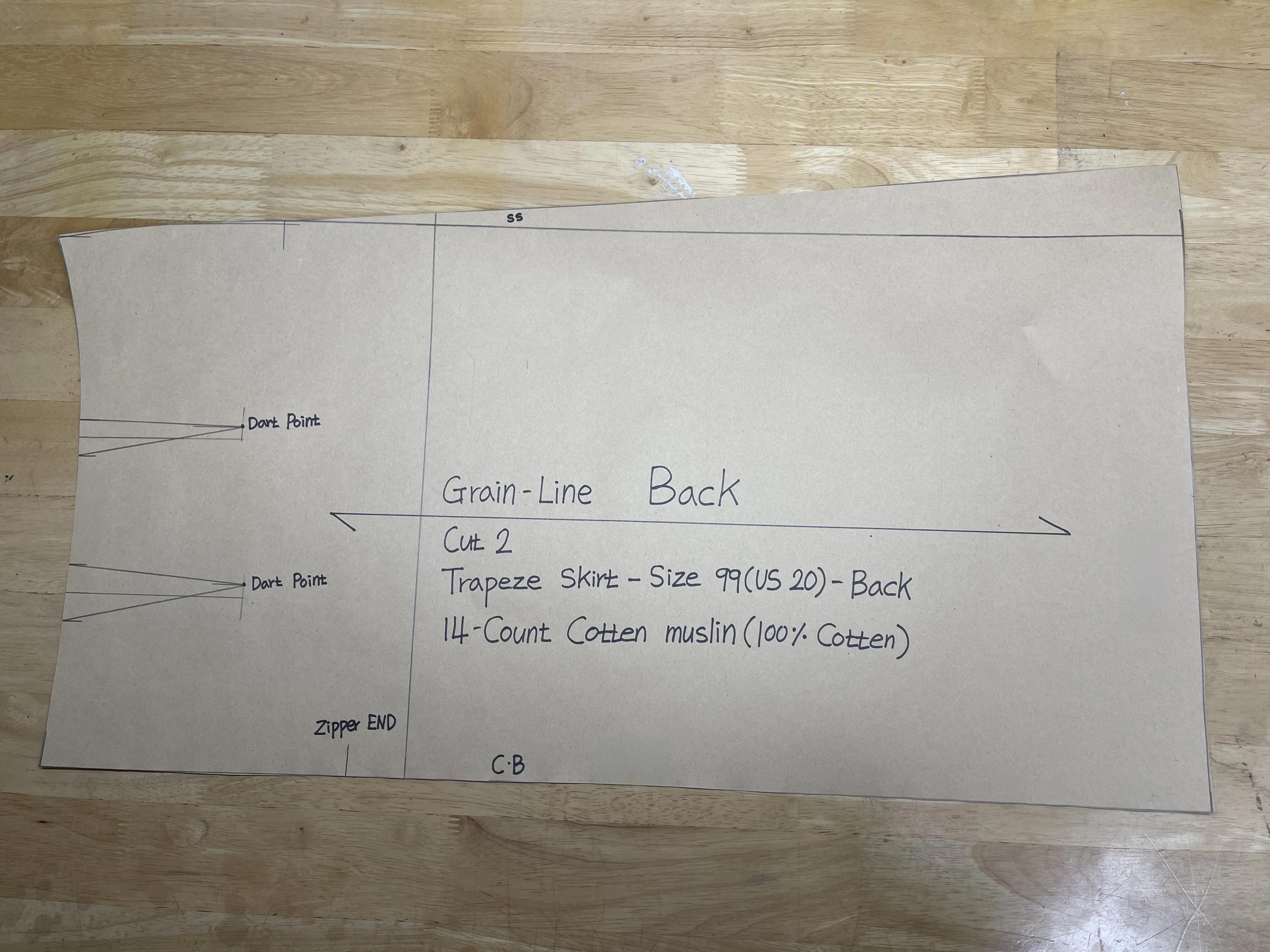
The Trapeze Skirt will be designed as a basic application of the Tight Skirt foundation. To create the Trapeze silhouette, add 4cm outward from the side seam at the hemline. Then, locate a point 8cm above the Hip Line (HL) toward the Waist Line (WL) and connect that point to the new 4cm mark at the hem. This is the fundamental method for converting a Tight Skirt into a Trapeze Skirt.
Since the core of this pattern is vital, I want to emphasize these two additions:
Because this is a basic modification, the design process is quite straightforward. If you prefer a wider A-line silhouette, feel free to increase or decrease the hem extension to suit your preference. In this post, I will focus on the method of adding 4cm to the hem and connecting it from the 8cm reference point.
Please keep in mind that the dart design and distribution from the Tight Skirt must remain consistent when fitted to the model. Since this project is an evolution of the initial Tight Skirt calculation, I recommend that you first complete your own Tight Skirt—up to the fitting stage—and ensure the desired comfort and fit before moving on to this project.
I will not be sharing the specific calculation formulas for this design here. Instead, I encourage those interested to review the Tight Skirt calculations first and then adjust them to fit your own unique measurements.
I will attach reference images and videos as soon as they are ready. Thank you for your continued interest in this project!
The Trapeze Skirt will be designed as a basic application of the Tight Skirt foundation. To create the Trapeze silhouette, add 4cm outward from the side seam at the hemline. Then, locate a point 8cm above the Hip Line (HL) toward the Waist Line (WL) and connect that point to the new 4cm mark at the hem. This is the fundamental method for converting a Tight Skirt into a Trapeze Skirt.
Since the core of this pattern is vital, I want to emphasize these two additions:
- Add 4cm to the hemline.
- Locate the 8cm point above the HL and connect it to the 4cm hem extension.
Because this is a basic modification, the design process is quite straightforward. If you prefer a wider A-line silhouette, feel free to increase or decrease the hem extension to suit your preference. In this post, I will focus on the method of adding 4cm to the hem and connecting it from the 8cm reference point.
Please keep in mind that the dart design and distribution from the Tight Skirt must remain consistent when fitted to the model. Since this project is an evolution of the initial Tight Skirt calculation, I recommend that you first complete your own Tight Skirt—up to the fitting stage—and ensure the desired comfort and fit before moving on to this project.
I will not be sharing the specific calculation formulas for this design here. Instead, I encourage those interested to review the Tight Skirt calculations first and then adjust them to fit your own unique measurements.
I will attach reference images and videos as soon as they are ready. Thank you for your continued interest in this project!